


Style guide · Atelier Mesure, Paris 7th
Made-to-Measure Jacket
Made-to-measure jacket from EUR 580. Alterations included until final delivery.
Introduction
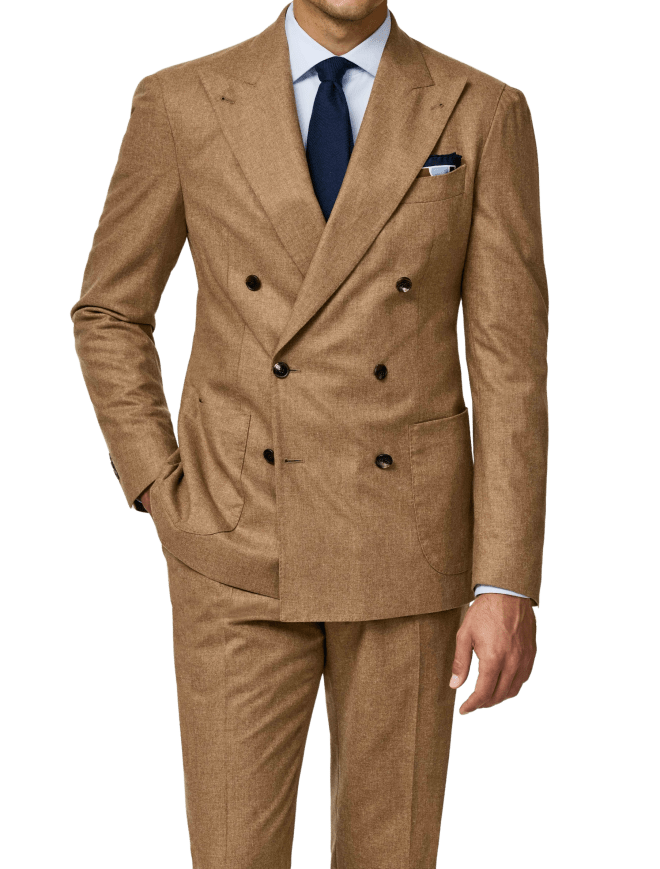
The jacket is the most complex and most visible element of the suit. It determines your silhouette and your presence. A made-to-measure jacket radically transforms your appearance compared with ready-to-wear. Pair your jacket with matching or contrasting made-to-measure trousers. For a complete ensemble, discover our business suit, our two-piece suit or our casual suit. For formal occasions, explore the double-breasted suit. Every detail matters: lapels, buttoning, pockets, shoulders.
The Shoulders: Foundation of the Jacket
The shoulders determine the entire structure of the jacket. They must fall precisely at the end of your natural shoulder - neither shorter (narrow shoulders, discomfort) nor longer (drooping shoulders, a careless appearance). A well-constructed shoulder allows the jacket to 'float' on the body without tension. We offer three types of construction: natural shoulder (lightly padded, comfortable, modern), structured shoulder (more padded, presence, traditional business), Neapolitan shoulder (very lightly padded, unstructured, relaxed Italian style). The choice depends on your build, your style and the intended use of the jacket. A naturally sloping shoulder is compensated by invisible asymmetric padding.
Buttoning: Style and Proportions
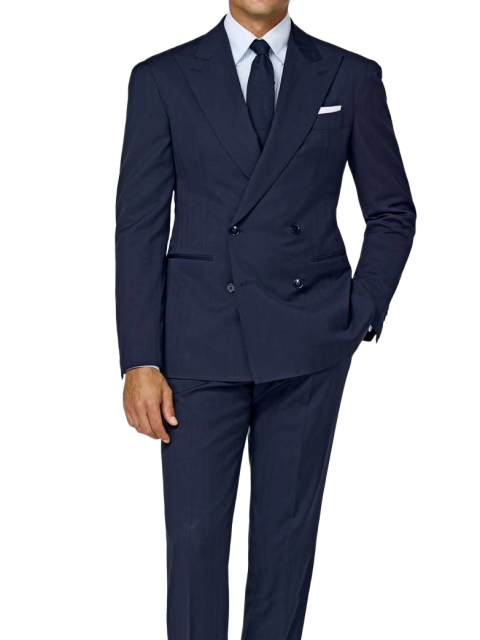
The number and arrangement of buttons radically influence the proportions. One button: very modern, elongates the silhouette, relaxed. Reserved for slender builds and less formal contexts. Two buttons: the contemporary standard, a perfect balance between modernity and classicism. Works for all builds. Three buttons: more classic, a longer cut, traditional style. Ideal for tall men or a conservative style. Double-breasted (4 or 6 buttons): maximum formality and presence, demands a structured silhouette. A double-breasted jacket is never unbuttoned, even when seated. The positioning of the buttons determines where your waist appears to be - our team adjusts to optimise your proportions.
The Lapels: Elegance and Character
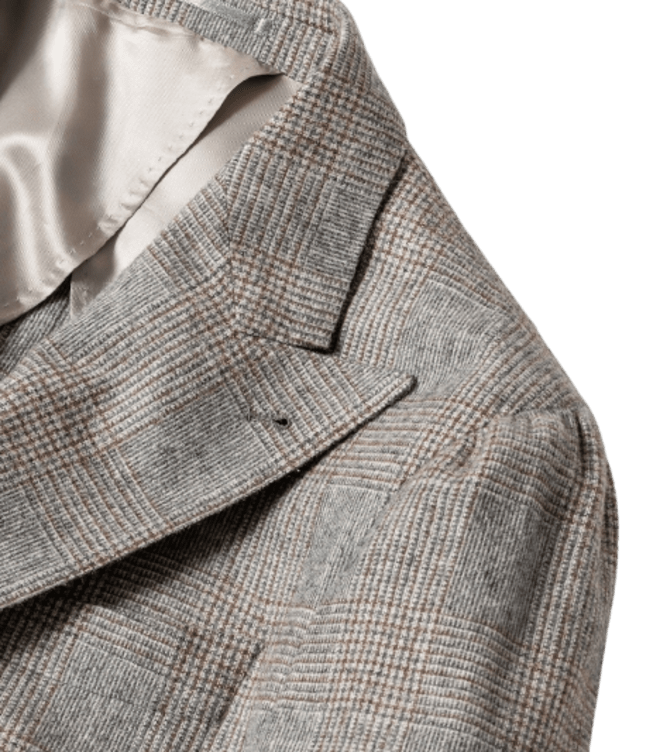
The lapels frame your face and determine the level of formality. Notch lapel: the classic standard, versatile, for all occasions. A timeless medium width (7-9cm). Peak lapel: more formal and elegant, directs the eye upward, elongates the silhouette. Essential for tuxedos, excellent for formal or double-breasted suits. Shawl lapel: reserved for tuxedos or smoking jackets, very formal. Lapel width should be proportionate to your build: wide lapels for broad frames, narrower for slighter builds. A lapel that is too wide or too narrow visually unbalances the jacket. The lapel may be in the same fabric (standard) or in silk (tuxedo).

The Pockets: Functionality and Style
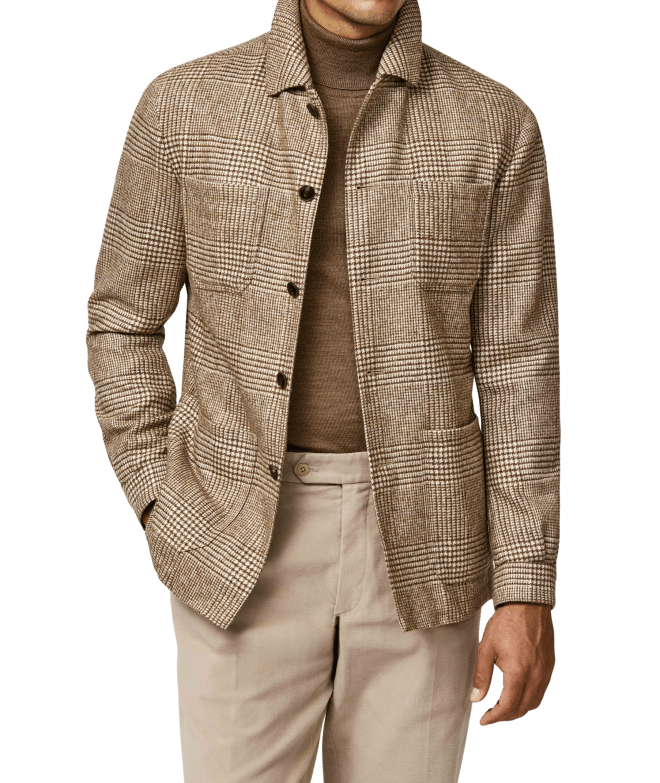
Pockets are not merely a functional detail - they affect the overall appearance. Flap pockets: the versatile standard, appropriate for both business and casual. The flap can be tucked inside for a more formal look. Jetted pockets (no flap): more formal and refined, ideal for evening suits, weddings and formal occasions. A cleaner line. Patch pockets: relaxed, sporty, reserved for blazers and casual jackets. To be avoided on formal suits. The breast pocket (for a pocket square) is almost always jetted. Inside pockets vary according to your needs: phone pocket, wallet, pens. A made-to-measure jacket adapts the number and position of inside pockets to your actual use.

The Vents: Comfort and Mobility
The vents at the back of the jacket are not decorative - they allow mobility and access to the trouser pockets. No vent: a very clean line, formal, Italian style. Note: prevents access to trouser pockets and can create tension when seated. Single centre vent: classic British style. Good mobility, but can open when seated or with hands in trouser pockets. Double side vents: the most practical and modern choice. Excellent mobility, easy pocket access, and they do not open unsightly. This is our default recommendation for most clients. The length and position of the vents are adjusted to your build for a perfect drape even in movement.
The Sleeves: Fit and Finishes
Perfectly fitted sleeves are the hallmark of made-to-measure. Length: the sleeve should stop at the wrist bone, allowing 1-1.5cm of shirt to show. This is the detail connoisseurs notice. Width: fitted yet permitting full arm and elbow mobility. Armhole (where the sleeve meets the shoulder): high and fitted for freedom of movement without excess fabric under the arm. Sleeve buttons: 3 or 4 buttons as standard. Working buttonholes (genuine buttonhole stitching) cost more in labour but represent the pinnacle of refinement - you can roll up your sleeves. The sleeve-setting seam can be machine (standard) or hand-sewn for exceptional suits.

Waist Suppression: Silhouette and Comfort
Waist suppression determines the line of your jacket. Straight cut: no suppression, a vertical line. Classic style, suits builds with a prominent stomach. Comfortable but can lack structure. Semi-fitted: slight suppression (2-3cm per side), a modern line without excess. The best compromise for most builds - elegant without being tight. Fitted: marked suppression (4-5cm per side), a very close-fitting line. Reserved for athletic builds and a contemporary style. Take care not to overdo it: a jacket that is too fitted pulls at the buttons, creates X-shaped creases (a sign that the jacket is too small), and limits mobility. Made-to-measure allows the suppression to be adjusted precisely to your build and preference.
The Length: Proportions and Harmony
Jacket length shapes visual proportions. A classic length covers the lower silhouette and balances the overall look. For shorter legs, a slightly shorter jacket can lengthen the silhouette; for longer legs, a standard or slightly longer length can rebalance proportions. Modern styling may favour a shorter jacket, while classic styling keeps a traditional length. Your advisor determines the length suited to your proportions.
From rules to practice · Paris 7th
Further reading
